Latest News
Focus KW: what are the benefits of wheel alignment
What are the Benefits of Wheel Alignment?
At first, proper big rig tire alignment might seem unnecessary. The tell-tale signs of a heavy-duty truck being out of alignment often barely register. But the results can be catastrophic if they go unaddressed. Establishing a routine maintenance program that includes wheel alignment protects your customers’ major investments and provides safety. What are the benefits of wheel alignment? This post explains.
What is Wheel Alignment?
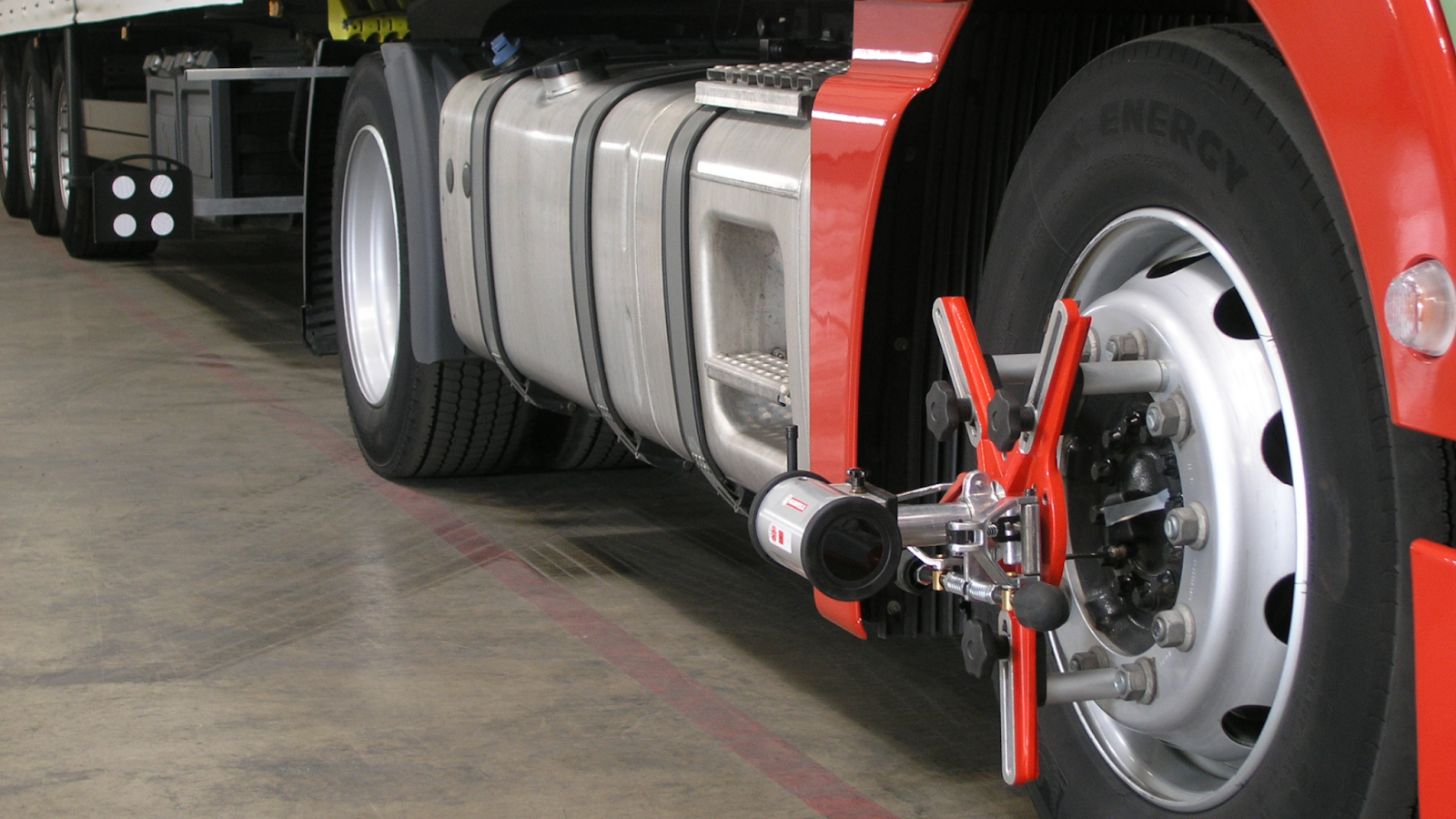
Wheel alignment is vital for all vehicles, but it is especially important for big rig trucks. For trucks, wheel alignment involves adjusting the suspension to even out the surface contact of the tires. It’s a series of measurements and adjustments that require a professional’s expertise to execute effectively.
Risks When Alignment is Off
Proper alignment ensures vehicle longevity and driver safety. You should understand the signs that alignment might be off to correctly diagnose the issue and help your customers know what to look for. That way, you’re helping them know when it’s time to recommend service.
Signs of misalignment include:
- Vehicle Pulls to One Side. Drivers have a lot to deal with. Portable technology, smartphones, crowded roads, and stressed-out drivers make driving more difficult. Fighting against their vehicle to pull it back to center is not something your customers should have to add to the list. If their vehicle drifts to one side, it’s time to check their alignment.
- Tires Wearing Unevenly. Since a heavy-duty tire alignment adjusts suspension, so your customers’ tires meet the road surface evenly, tires should wear evenly. Increased wear or marks that look like road rash on one tire or the tires on one side of vehicles are almost sure signs that the alignment is off.
- Vehicle Vibration. If your customers think fighting drift on their vehicle is no fun, then fighting drift while their vehicle is vibrating is a real bummer. If they’re experiencing vibration, it’s time to schedule an appointment.
- Increased Damage to Suspension. As with most things, if your customer’s vehicle isn’t operating as intended, they risk sustained damage. Uneven tension on their suspension could lead to extensive and expensive repairs.
Ultimately, misaligned wheels can become a safety hazard. Unnecessary wear and tear to the vehicle can lead to premature failure, creating dangerous situations for the driver and others on the road.
Benefits of Wheel Alignment
Beyond safety and a smooth ride, wheel alignment has some more subtle benefits that you may be unaware of. Understanding them will help you convince your customers to pay closer attention to how their vehicle is driving.
Ways wheel alignment works in your favor include:
- Savings. Proper maintenance almost always pays off in the end. Preventative and regular wheel alignment inspection and adjustments can ward off expensive repairs in the long run.
- Longer Tire Life. When tires wear evenly, your customers won’t need to replace them because one is showing tread or a pair is creating a dangerous situation. They can hold off until all four have reached their expected replacement life, saving them time and money.
- Increased Fuel Efficiency. If all of your customers’ tires meet the road surface equally, their vehicle will experience improved aerodynamics, which increases fuel efficiency. They will get more miles to the gallon and won’t have to stop to fuel up as frequently. Both factors equal savings.
- Safety. Most importantly, proper wheel alignment improves safety for your customers, their passengers, and their fellow travelers by guarding against dangerous accidents.
What is Proper HD Wheel Alignment?
Heavy-duty wheel alignment is an involved process that centers around the adjustment and repair of the following alignment points: caster, toe, camber, and out of square.
Wheel alignment consists of:
- Caster. This aspect of alignment is tricky. Strictly speaking, the caster is the angular displacement of the steering axis when looking at the vehicle from the side. It can tilt toward or away from the driver, and it can mean some difficulty steering if it’s too far off from center. In some vehicles, like heavy-duty trucks and race cars, the caster is adjusted in ways that aren’t right down the center to encourage superior performance.
- Toe. Toe views the tires from above. From a birds-eye view, it measures the inward and outward angle from the center. When tilted too far in either direction, the tire will wear unevenly. In extreme cases, toe misalignment can cause sawtoothing. The driver might also experience pulling to one side and increased vehicle vibration.
- Camber. When facing the vehicle from the front, the camber is the inward and outward angle you see. If the tires are tilting outward too far, the inside surface will wear faster. Conversely, if the tires are tilting more inward, the outside of the tires will show signs of overuse comparatively.
- Out of Square. When wheels are out of square, they are not squared to each other and consequently not moving in the same direction. The out of square adjustment squares the drive wheels so they are in line and moving straight down the road.
A properly measured wheel alignment will adjust toe, caster and out of square to spec and recommend the need for axle repair/replacement when camber is out of spec.
How Allpart Supply Can Help
Maintaining proper alignment is crucial to ensure optimal safety. Allpart understands the challenges you face when working to ensure consistent, precise alignment, so we partnered with Haweka to elevate the standard for heavy-duty alignment. Contact us today to learn more about Haweka’s Axis4000 HD Commercial Truck and Trailer Alignment System and other solutions Allpart offers to make heavy-duty wheel alignment an accurate, repeatable, and precise process every time.